Industry Overview
A dry freight container coating line combines blasting, waterborne application, interior and exterior booths and VOC control, sized as one system at box-plant throughput.
Dry freight containers — the standard general-purpose steel boxes built to ISO 668 and ISO 1496-1 — are among the highest-volume welded steel assemblies that pass through a paint line anywhere in manufacturing. The coating has to survive years of salt spray, UV, mechanical abrasion and stacking loads at sea, and it has to be applied at a line rate that keeps pace with box fabrication.
Since the China Container Industry Association’s VOCs Governance Self-Discipline Convention took effect — South China plants from 1 July 2016, the rest of China from 1 April 2017 — dry freight container lines in China are built around waterborne paint rather than solvent-based systems. Plants outside China that still run solvent-based lines face the same conversion question as local VOC rules tighten.
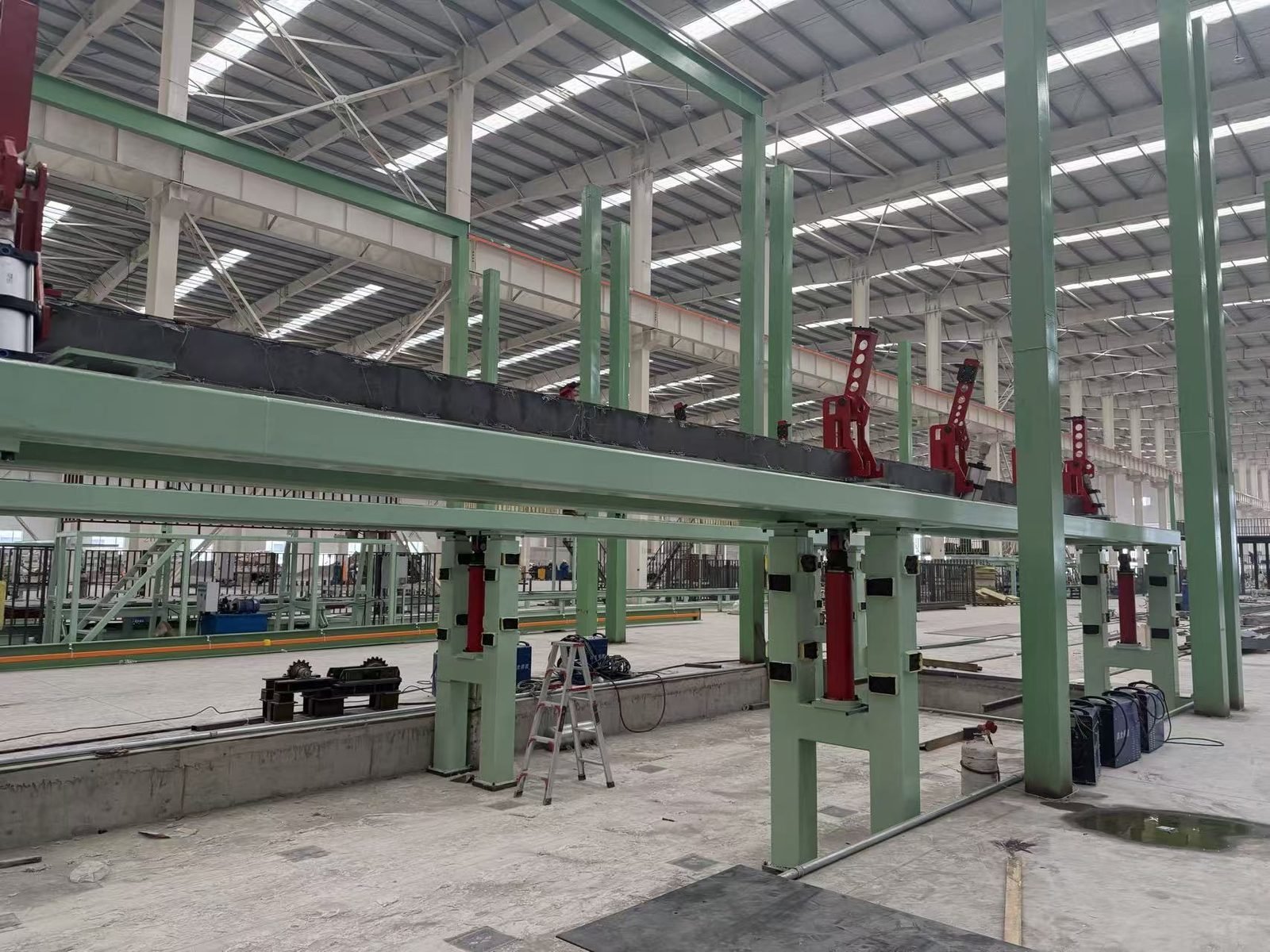
Typical Workpieces
- 20 ft, 40 ft and 40 ft high-cube box assemblies
- Corrugated side panels and end panels
- Door assemblies, door frames and locking gear
- Roof panels
- Underframe cross members and floor structures
- Corner posts and corner castings
Industry Coating Challenges
Each industry faces unique coating challenges. MUSI's solutions are designed to address these pain points directly:
Surface preparation sets the ceiling
Weathering-steel panels arrive with mill scale and storage rust. Blasting to Sa 2½ (ISO 8501-1) before priming is what the whole coating system rests on. Anything less does not show on handover day — it shows as under-film corrosion years later, in the customer’s fleet.
Waterborne changes the line, not just the paint
Water evaporates far more slowly than solvent. Converting a solvent line to waterborne means improved air circulation, higher air exchange rates, added heat and additional stations on the line — and the line usually has to get longer. That is why the switch is an equipment project, not a procurement decision. Older, shorter lines are the ones that struggle to be extended.
Interior and exterior are different systems
The exterior faces salt spray and UV; the interior faces cargo contact, cleaning and cargo-worthiness inspection. Each side needs its own booth, its own extraction and its own cure schedule — they cannot share one pass.
Throughput drives the layout
A container is large and heavy. Conveyor type, booth length and oven dwell time have to be sized together; a mismatch at any one station caps the output of the entire line. Line layout is decided before equipment selection, not after.
MUSI’s Targeted Solutions
MUSI builds container coating lines as a single integrated system rather than a set of separately-bought machines — blasting, pretreatment, application, curing and emission control sized against one agreed throughput figure.
- Blasting — roller conveyor shot blasting for panels and structures, sized to the panel width rather than to a catalogue model.
- Waterborne application — water-based paint spray lines with the air exchange and added heat that waterborne cure actually requires.
- High-build coats — airless high-pressure spray for the thick primer and topcoat films marine exposure demands.
- Emission control — RTO and activated carbon adsorption matched to the solvent load that remains.
- Dust and overspray — central dust collection for the blasting end and wet scrubber booths for the paint end.
Recommended Equipment
Typical projects in this industry use the following MUSI products in combination — exact selection depends on workpiece specifics:
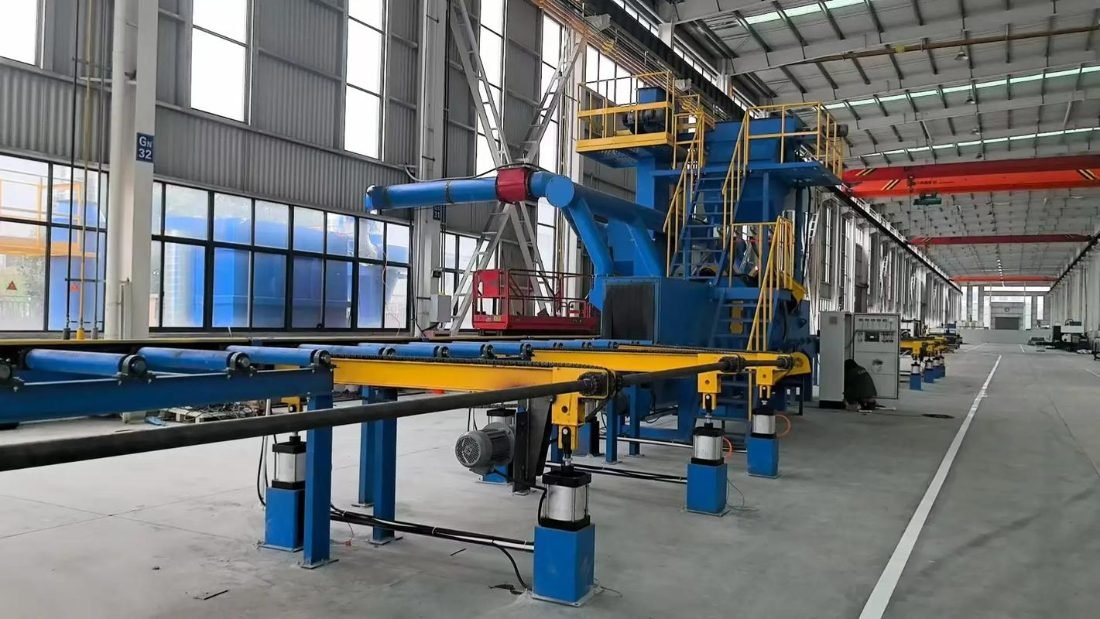
Roller Conveyor Shot Blast Line
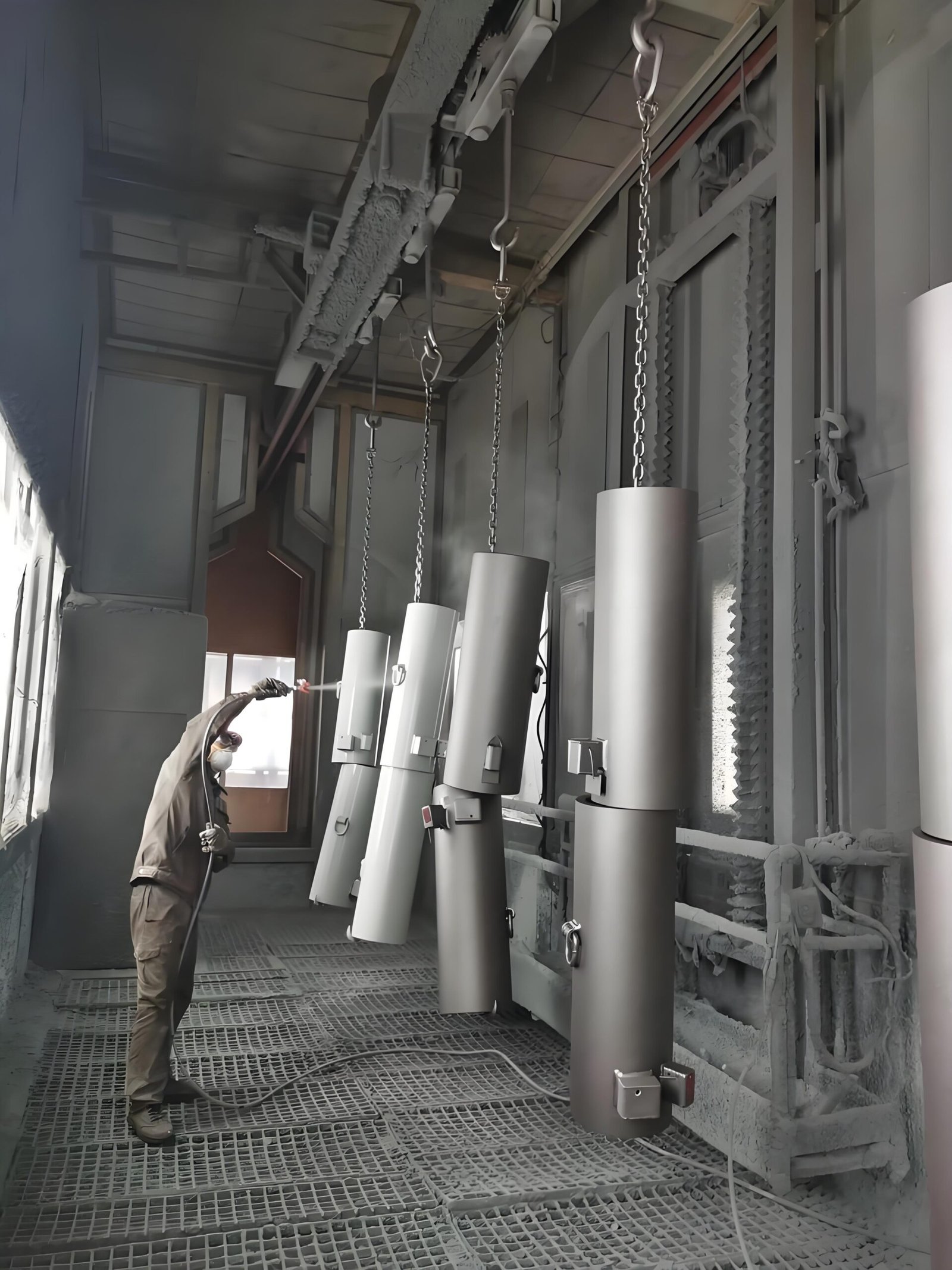
Water-Based Paint Spray Line
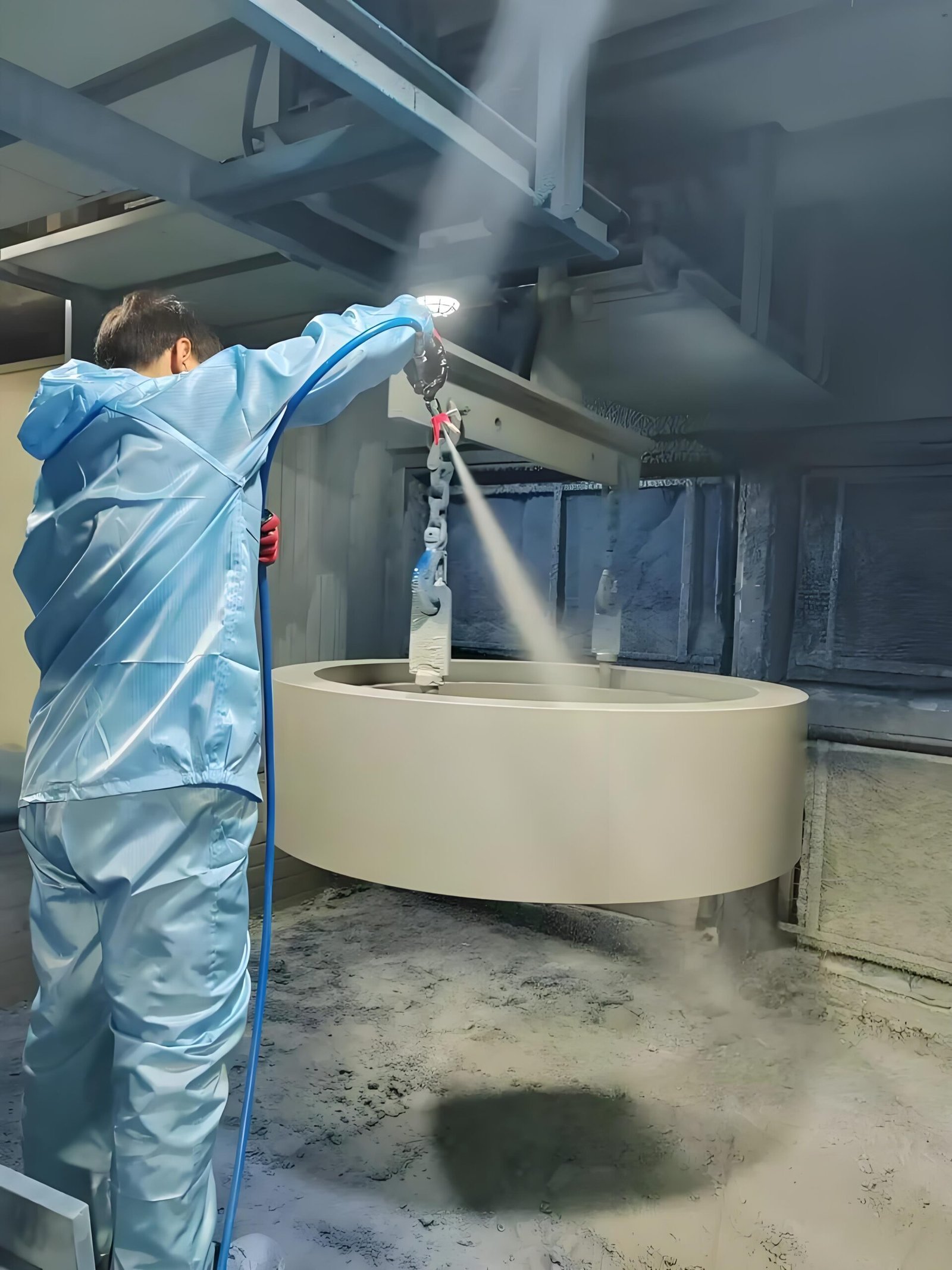
Airless High-Pressure Spray
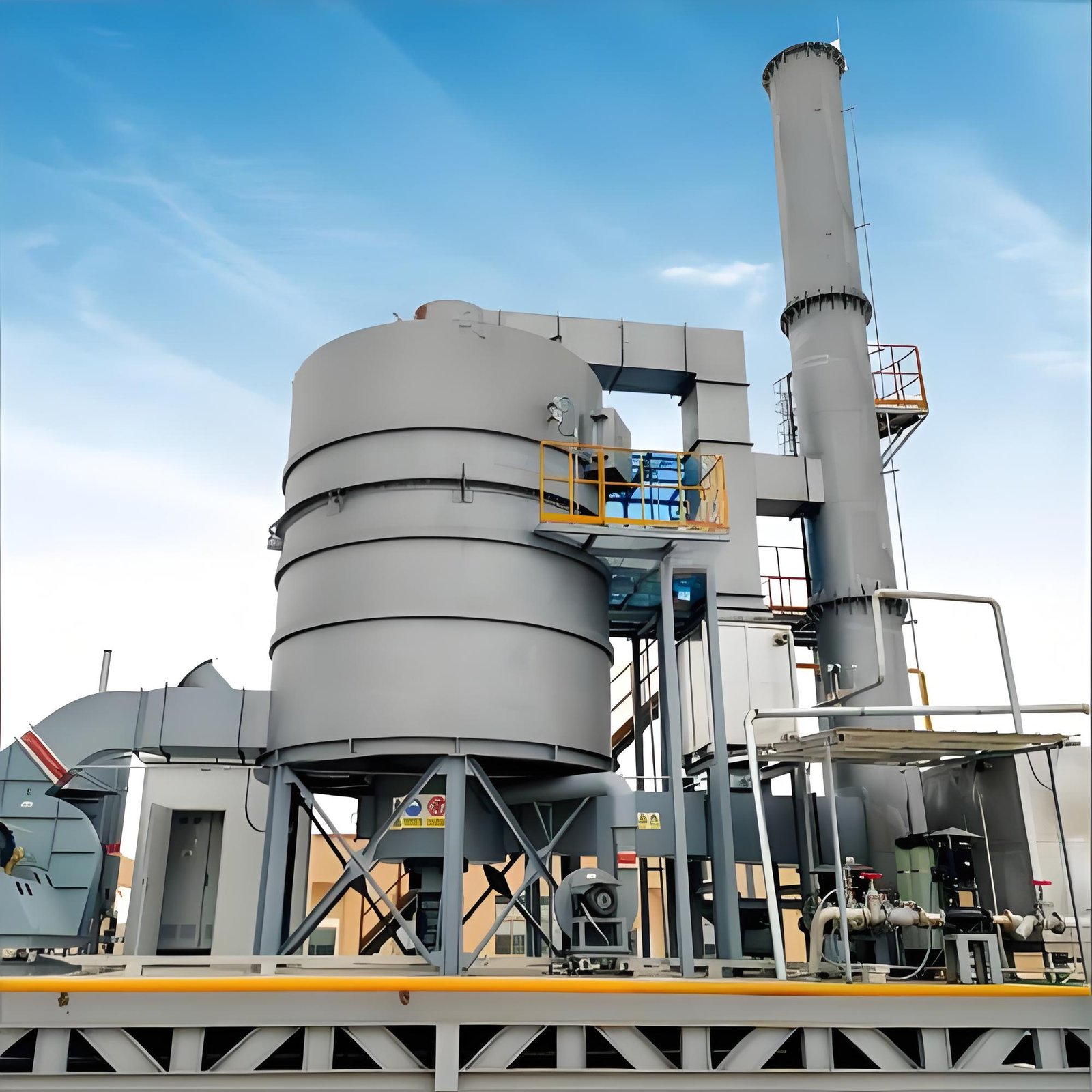
Regenerative Thermal Oxidizer (RTO)
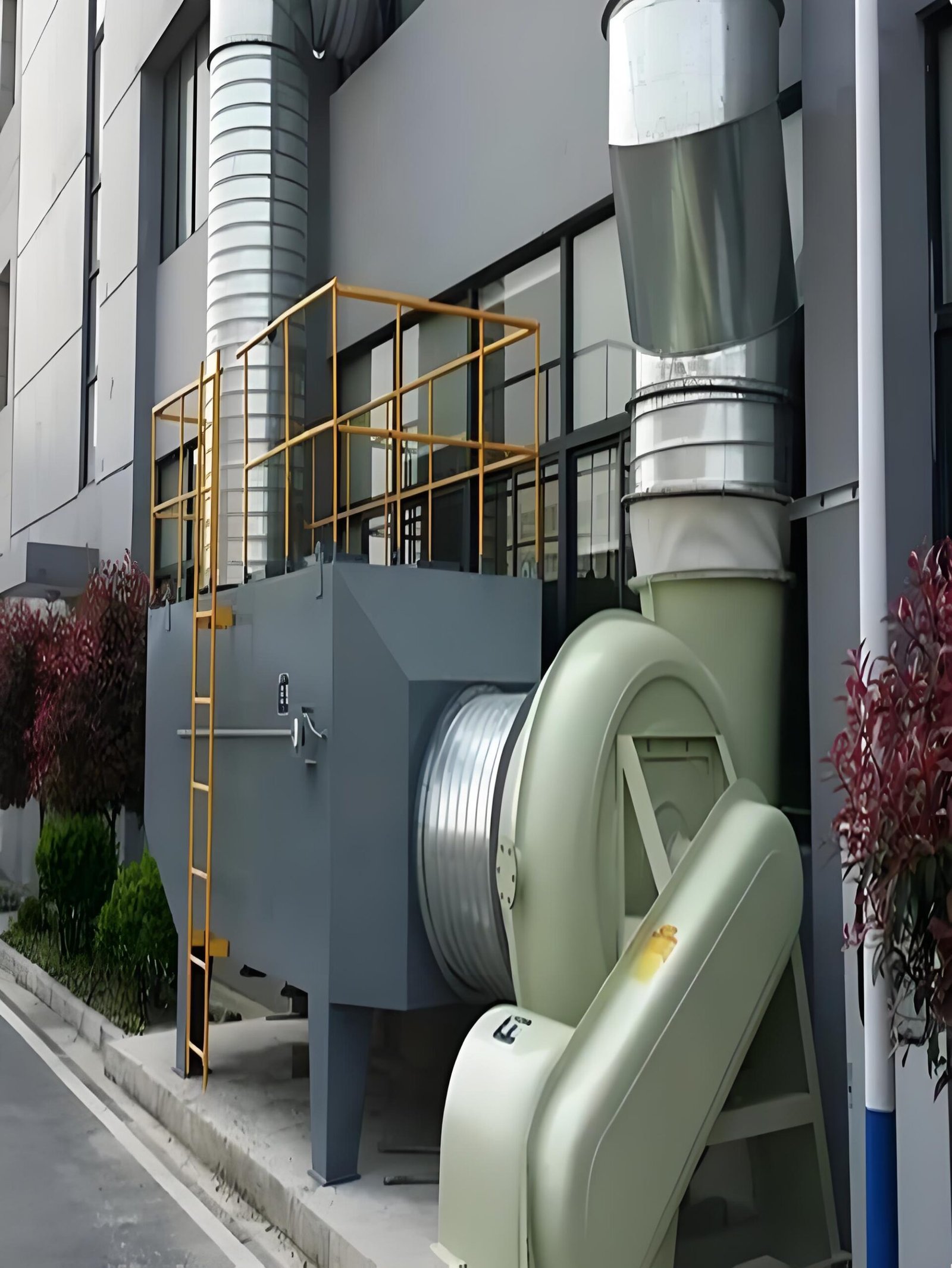
Activated Carbon Adsorption System
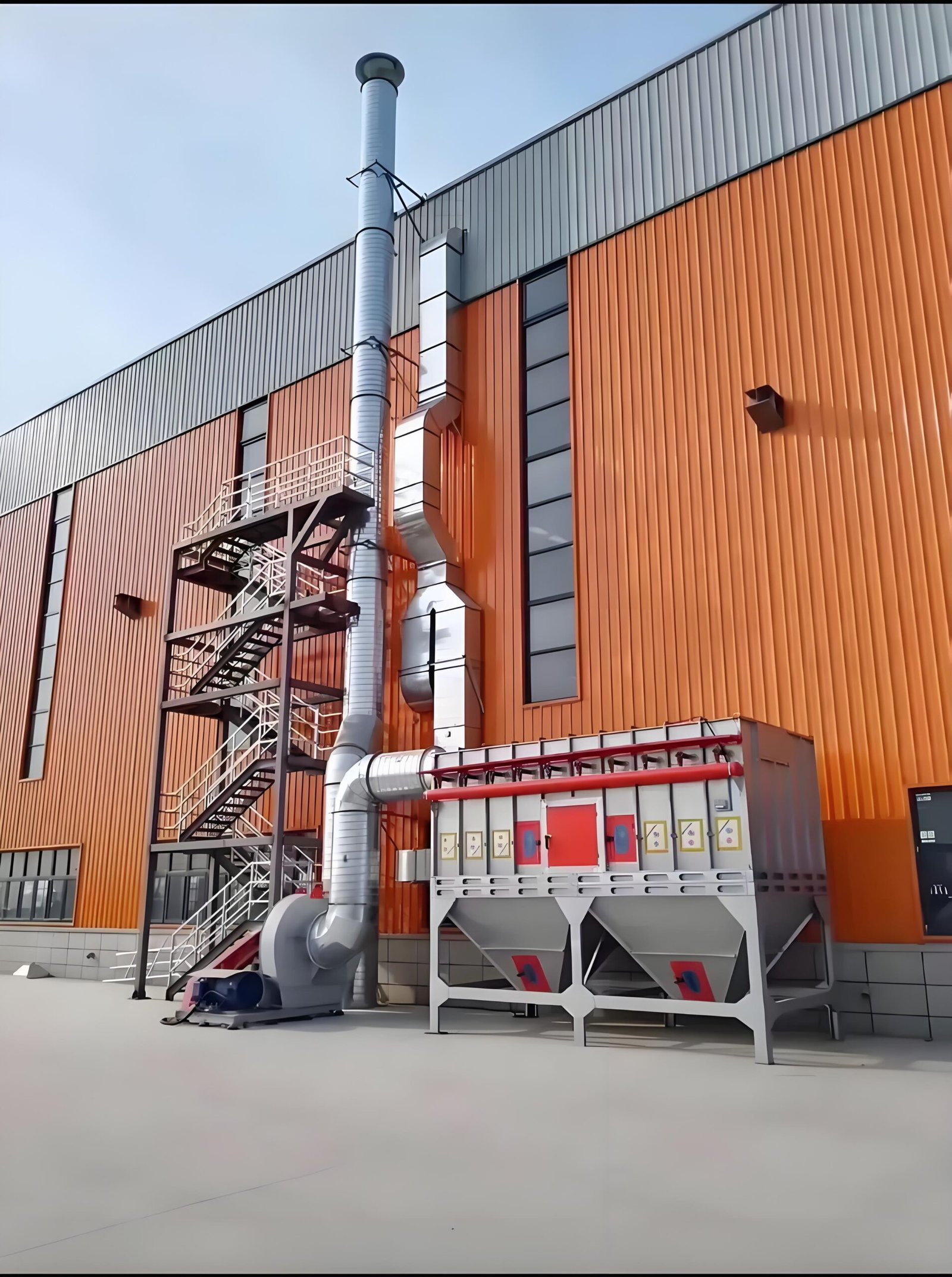
Central Dust Collection System
Featured Case Studies
Selected projects MUSI has delivered for clients in this industry. More projects in our Case Studies section:
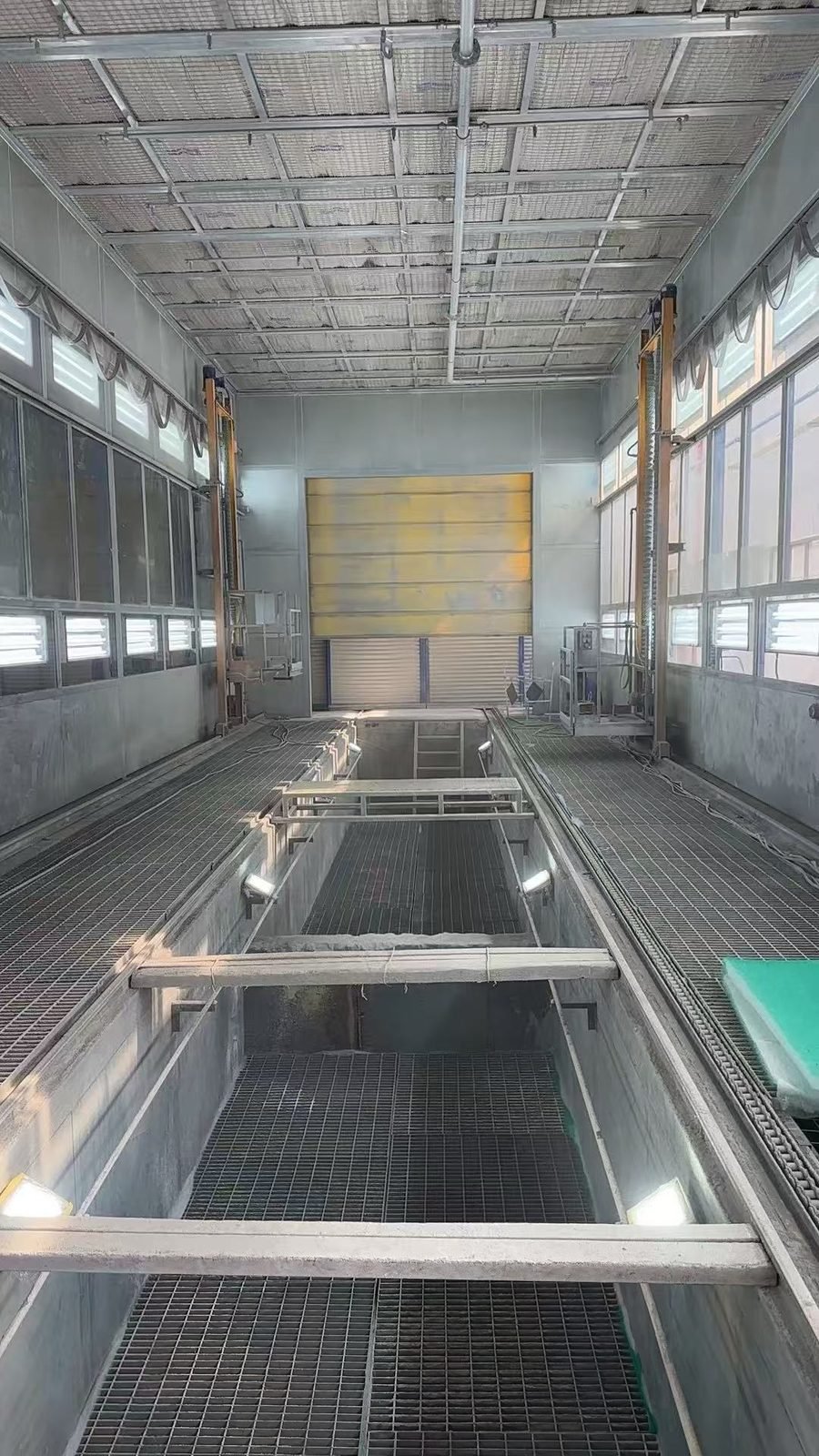
Container Spray Painting Line, Tianjin
View Details
Container Spray Painting Line, Qingdao
View Details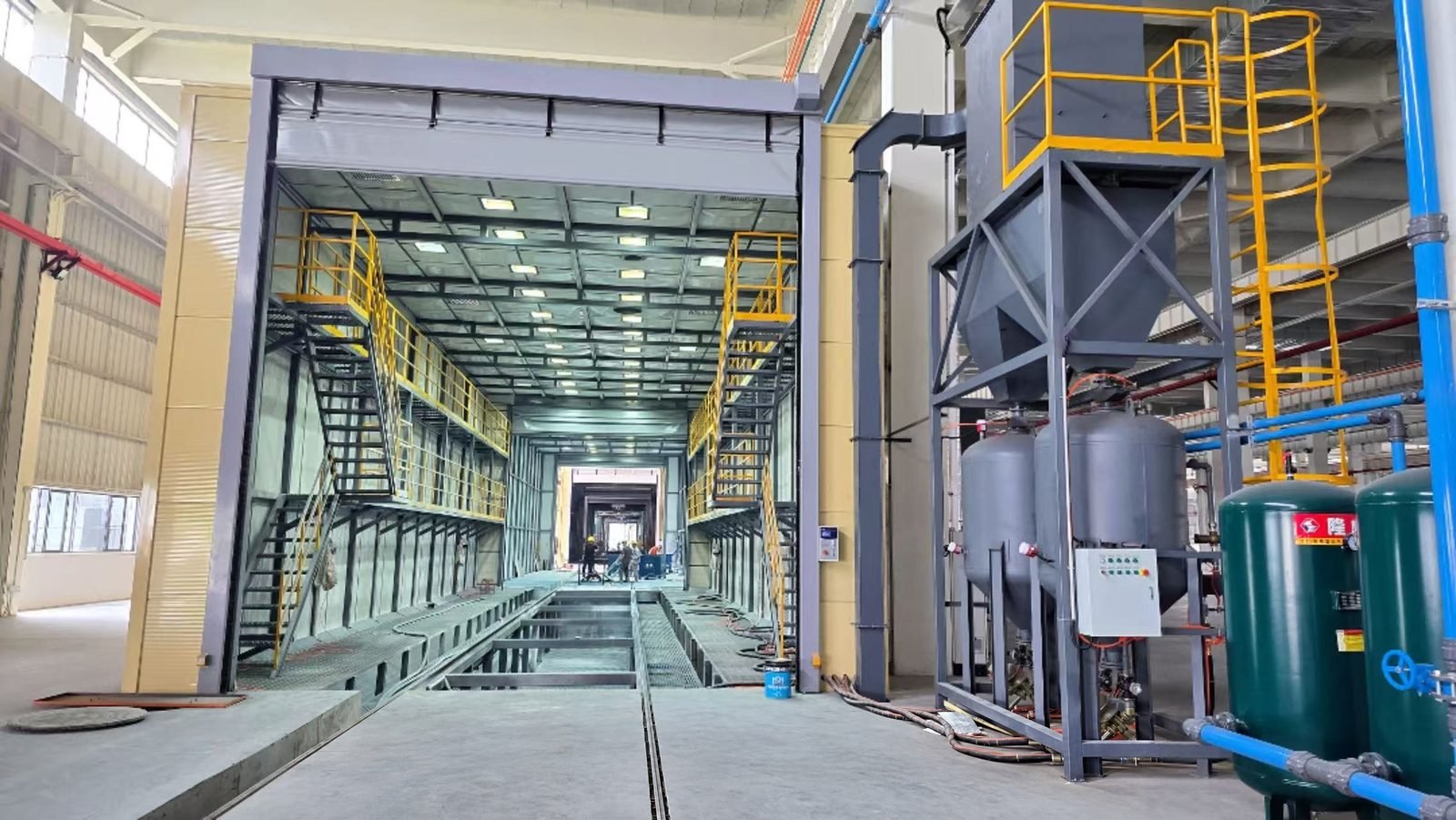
Container Shot Blasting Line, Yangzhou
View DetailsProject References
| Case study | Location | Year |
|---|---|---|
| Container Spray Painting Line, Tianjin | China | 2026 |
| Container & Energy-Storage Box Painting Line, Taicang | China | 2026 |
| Container Spray Painting Line, Qingdao | China | 2026 |
| Container Shot Blasting Line, Yangzhou | China | 2026 |
Related
Refrigerated and insulated boxes are a different build and a different coating problem — see shipping container & reefer coating. For the energy-storage cabinets that share the same corrosion specification, see energy storage container coating.
Schedule a Consultation
Tell us the box type, the daily output you need and whether the plant is running solvent or waterborne today, and we will come back with a line layout rather than a price list. Talk to a MUSI engineer.
The optimal solution depends on your specific workpieces, capacity, facility, and budget. MUSI provides a free consultation service including:
- 1-on-1 process consultation with our engineers
- Preliminary CAD line layout
- Equipment list and preliminary quotation
- Reference cases from similar industries
- Welcome to visit MUSI's factory in Changzhou