Dry Filter, Oil Film or Water Curtain: Paint Mist Capture for Retractable Booths
Quick answer: Dry filtration (labyrinth paper plus glass-fibre bag) is the default for telescopic booths because it needs no water or oil circuit at a movable enclosure and captures 98% or more of the mist; oil-film purifiers suit heavier daily paint use and pair well with carbon or RCO treatment; water curtains are rarely used on retractable booths because the water tank, pump and sludge handling belong to a fixed installation.
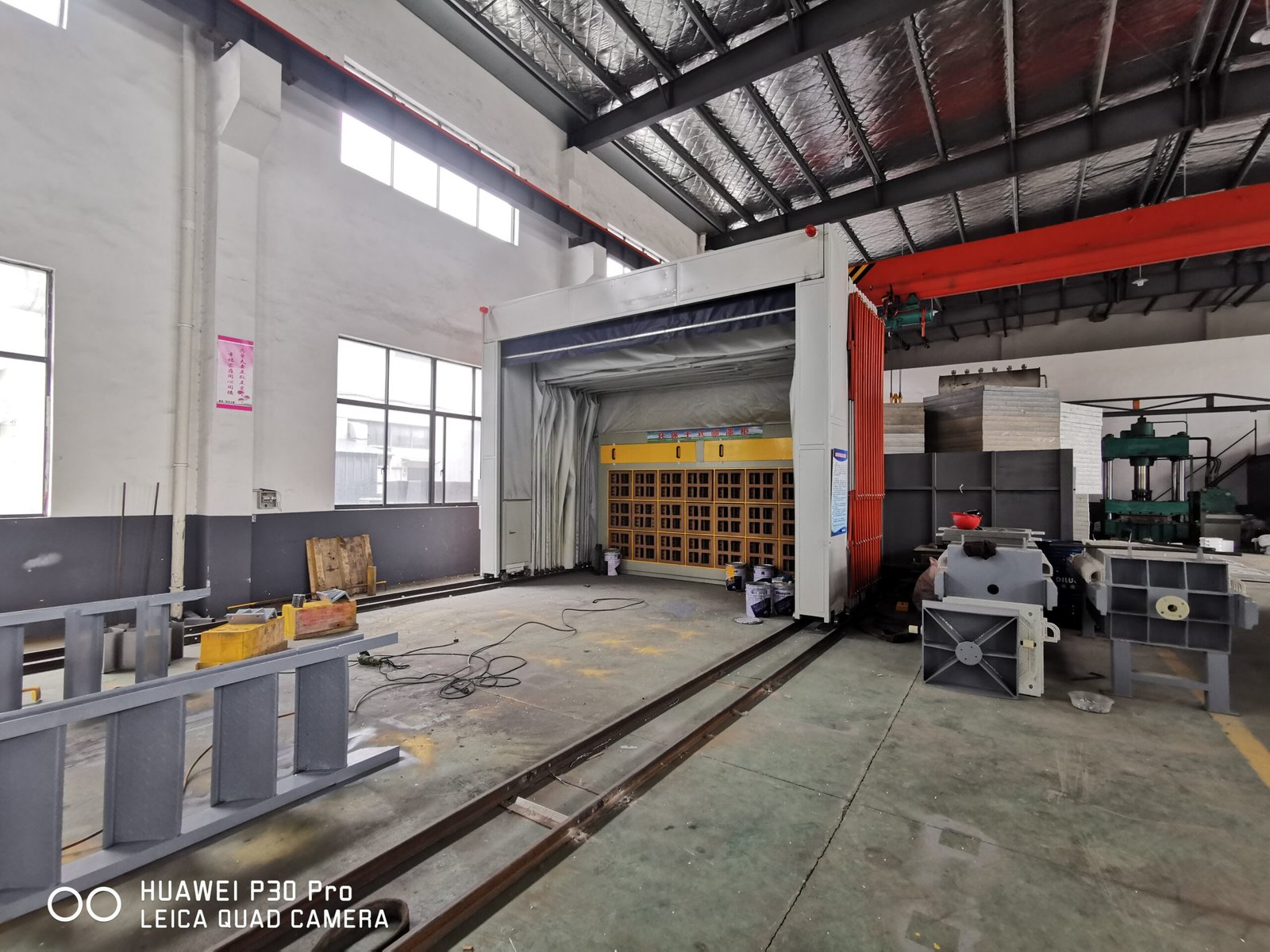
How does a labyrinth paper filter work?
The pleated cardboard filter has staggered slots that force the air to change direction several times. Paint droplets, heavier than air, cannot follow the turns and stick to the paper. The paint fills the pleats from the bottom, so the filter keeps passing air until it is nearly full; it holds 14-18 kg of paint per square metre, three to five times the load of flat media, and does not release captured paint back into the airflow. It is changed when the pressure drop across the wall reaches about 250 Pa.
What does the glass-fibre bag add?
Behind the paper a glass-fibre bag or mat (595 x 595 mm, 600 mm deep, or 50 mm AP-50 mat) catches the fine fraction. Typical values: initial resistance 7-40 Pa, final 250 Pa, capture 95%, dust holding 3,500 g/m2, flame retardancy class F-3. Together the two stages give 98% or more mist removal before the air reaches the treatment unit, which protects carbon beds and catalyst from fouling.
When is an oil-film purifier better?
An oil-film unit passes the air over oil-wetted surfaces that trap the mist; the paint-laden oil is drained and replaced instead of a filter being thrown away. It suits plants that paint every day and want fewer filter changes, and it is used in front of adsorption-desorption units with catalytic oxidation (RCO), where clean inlet air matters for catalyst life. Units of 1,800 x 1,800 x 3,450 mm are used two or three per booth for 12-13 m booths.
| Method | Mist capture | Consumable | Waste | Best fit |
|---|---|---|---|---|
| Dry (paper + glass fibre) | 98% or more | filters, 250 Pa change-out | spent filters (solid) | intermittent painting, movable booths |
| Oil film | 98% or more | oil change | paint-laden oil | daily painting, before RCO |
| Water curtain | 95-98% | water, flocculant | paint sludge, water | fixed booths with water treatment |
Why not a water curtain on a retractable booth?
The curtain wall needs a tank, pump, flocculant dosing and sludge removal; that is a fixed installation with water and drainage. A telescopic booth already has one fixed end, so it is possible, but the extra civil work and the water treatment routine cancel the simplicity that made the retractable booth attractive. Dry or oil-film capture keeps the fixed end to a filter cabinet, a fan and the treatment unit.
FAQ
How often are dry filters changed? It depends on paint volume; the gauge across the filter wall tells you, at about 250 Pa.
Are spent filters hazardous waste? Usually yes, as paint-contaminated solids; handle under the local rules.
Can I mix the two methods? A common layout is paper filter, then glass-fibre, then carbon; oil film replaces the paper stage where paint volume is high.
Does the filter wall affect booth airflow? Yes; the fan is selected for the final filter resistance and a VFD compensates as filters load.
Where MUSI Technology fits
MUSI supplies dry filter cabinets and oil-film purifiers as part of the telescopic booth, sized to the fan and matched to the exhaust treatment that follows. Product details, typical sizes and the quotation checklist are on the telescopic mobile spray booth page.
Provided by Lin Cong, Technical Director, MUSI Technology
Send us your part size, throughput and coating type — our engineers reply with a layout and budget within one working day. Contact MUSI Technology or browse our equipment range.
Related technical guides
- VOC Treatment: RTO vs RCO vs Carbon vs Rotor
Compare RTO, RCO, activated carbon adsorption and zeolite rotor concentrators for spray coating line VOC treatment: efficiency, cost and best fit. - Complete Coating Line Cost: 2026 Budget Guide
A complete powder coating line costs USD 45,000 for a semi-automatic setup to USD 2,000,000 for a fully automated plant. - Spray Booth Filters: Types, Intervals & Cost
Paint arrestor, ceiling, intake and exhaust filters compared on efficiency, pressure drop and life. Replacement intervals, how to read a manometer, and. - How to Choose a Powder Coating Line Maker (2026)
Ten criteria for selecting a powder coating line manufacturer: engineering depth, component brands, factory audit, lead time, warranty and support. - Powder Curing Oven: Gas vs Electric vs Infrared
A powder curing oven holds parts at 180-200 C for 10-20 minutes. Gas, electric and infrared ovens compared on energy cost per part, heat-up time,.